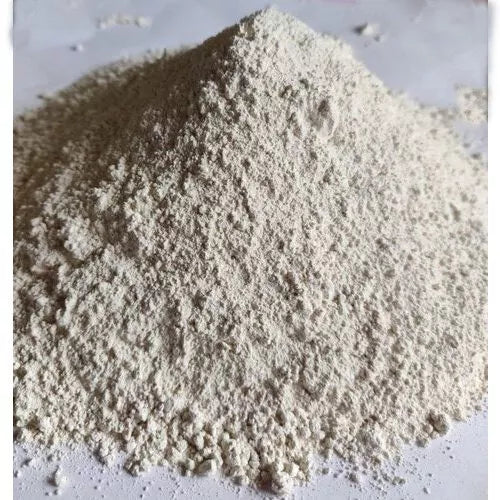

Magnesium Oxide
Magnesium Oxide
Magnesium Oxide – 57% Magnesium
Premium-grade, concentrated magnesium supplementation for horses.
Magnesium Oxide (MgO) is a highly concentrated source of supplemental magnesium, providing approximately 57% magnesium.
This premium-grade magnesium oxide has been selected for its high magnesium content and very low iron level, making it a practical option for balancing equine diets where additional magnesium is required.
Magnesium is one of the horse's major minerals, alongside calcium and phosphorus, and plays an essential role in normal muscle function, nerve transmission, energy metabolism and electrolyte balance.
Key Benefits
- Highly concentrated 57% magnesium
- Premium-grade magnesium oxide
- Very low iron content
- Provides a concentrated source of supplemental magnesium
- Supports normal muscle function and relaxation
- Supports healthy nerve and neuromuscular function
- Important for normal energy metabolism
- Involved in the production and utilisation of ATP
- Helps maintain appropriate mineral balance within the diet
- Useful for balancing diets where magnesium intake is inadequate
- Concentrated formula means only a relatively small daily amount is required
Why is Magnesium Important?
Magnesium is an essential mineral involved in hundreds of biochemical reactions throughout the body.
It is particularly important for normal function of the:
- Nervous system
- Skeletal muscles
- Heart
- Digestive tract
- Blood vessels
- Electrolyte and mineral systems
- Cellular energy pathways
Magnesium also works closely with calcium and phosphorus, making the overall balance of these minerals an important consideration when formulating an equine diet.
Magnesium, Calcium & Muscle Function
Magnesium plays an important role in regulating the movement of calcium within cells.
Calcium is involved in the activity of excitable tissues including nerves, skeletal muscle, cardiac muscle and smooth muscle. Magnesium contributes to the mechanisms that regulate these processes, helping support normal muscle contraction, relaxation and nerve function.
This balance is particularly important in hardworking and performance horses, where normal neuromuscular function is essential.
Magnesium & Energy Metabolism
Magnesium is also required for normal cellular energy metabolism.
It plays an important role in processes involving adenosine triphosphate (ATP) – the primary molecule used for transferring energy within cells.
Adequate magnesium therefore contributes to the normal function of energy-dependent processes throughout the body.
When Might Magnesium Supplementation Be Required?
A horse's magnesium requirements should ideally be assessed as part of the complete diet.
Supplementation may be beneficial where dietary analysis indicates that:
- Magnesium intake is below the horse's nutritional requirements
- The overall mineral balance of the diet requires adjustment
- The calcium-to-magnesium balance is inappropriate
- Pasture, forage or feed provides inadequate magnesium
- Additional magnesium has been recommended by an equine nutritionist or veterinarian
Possible Signs of Magnesium Deficiency
True magnesium deficiency can affect normal nerve and muscle function.
Depending on severity, signs may include:
- Muscle twitching
- Muscle tremors or spasms
- Increased neuromuscular excitability
- Irritability or hypersensitivity
- Abnormal muscle function
- In severe cases, disturbances involving normal gait or cardiac function
These signs are not specific to magnesium deficiency and may be associated with numerous medical, neurological, muscular, nutritional or management conditions.
Unexplained gait abnormalities, persistent muscle tremors, weakness, severe cramping or suspected heart irregularities require veterinary assessment rather than simply increasing magnesium supplementation.
Recommended Feeding Rate
10–20g per day
The appropriate amount will depend on the horse's bodyweight, workload, forage, fortified feeds and total dietary magnesium intake.
Measuring Magnesium Oxide
Approximately 1 metric tablespoon may provide an amount within the recommended feeding range; however, spoon measurements can vary considerably depending on how densely the powder is packed.
For accurate supplementation, particularly when balancing a diet, weigh the required amount in grams rather than relying on a tablespoon measurement.
Ideal For
Performance Horses • Horses in Training • Working Horses • Breeding Horses • Diet Balancing • Horses Requiring Additional Magnesium • Low-Magnesium Diets
Important Information
Magnesium should be supplemented according to the horse's total dietary requirements, rather than on behaviour alone.
Spookiness, nervousness, irritability, muscle cramping and poor performance do not necessarily indicate magnesium deficiency and can have many other causes.
When feeding multiple supplements or fortified feeds, consider the complete intake of magnesium, calcium, phosphorus and other minerals to maintain an appropriately balanced diet.
For horses with ongoing muscular, neurological or behavioural concerns, consult a veterinarian or qualified equine nutritionist.
$8.10
Couldn't load pickup availability